If your child has recently been diagnosed with autism, you've probably heard the term ABA therapy more than once. It can sound clinical at first, but the idea behind it is simple and hopeful: help children build the skills that make everyday life easier, one small, achievable step at a time.
This guide explains what ABA therapy is, how it works, who provides it, and what to expect when your family gets started.
What does ABA stand for?
ABA stands for Applied Behavior Analysis. It is the science of how learning and behavior work, applied to goals that matter in real life. According to the CDC, behavioral approaches have the most evidence for treating symptoms of autism spectrum disorder, and ABA is one of the best-known of these approaches.
At its heart, ABA looks at what happens right before and right after a behavior. By understanding those patterns, a therapist can teach new skills and make helpful behaviors more likely, using positive reinforcement rather than punishment.
How ABA therapy works, step by step
- Assessment. A BCBA gets to know your child through observation, conversation with your family and structured assessments.
- A personalized plan. Together with you, the BCBA sets meaningful goals and writes a treatment plan built around your child's strengths and needs.
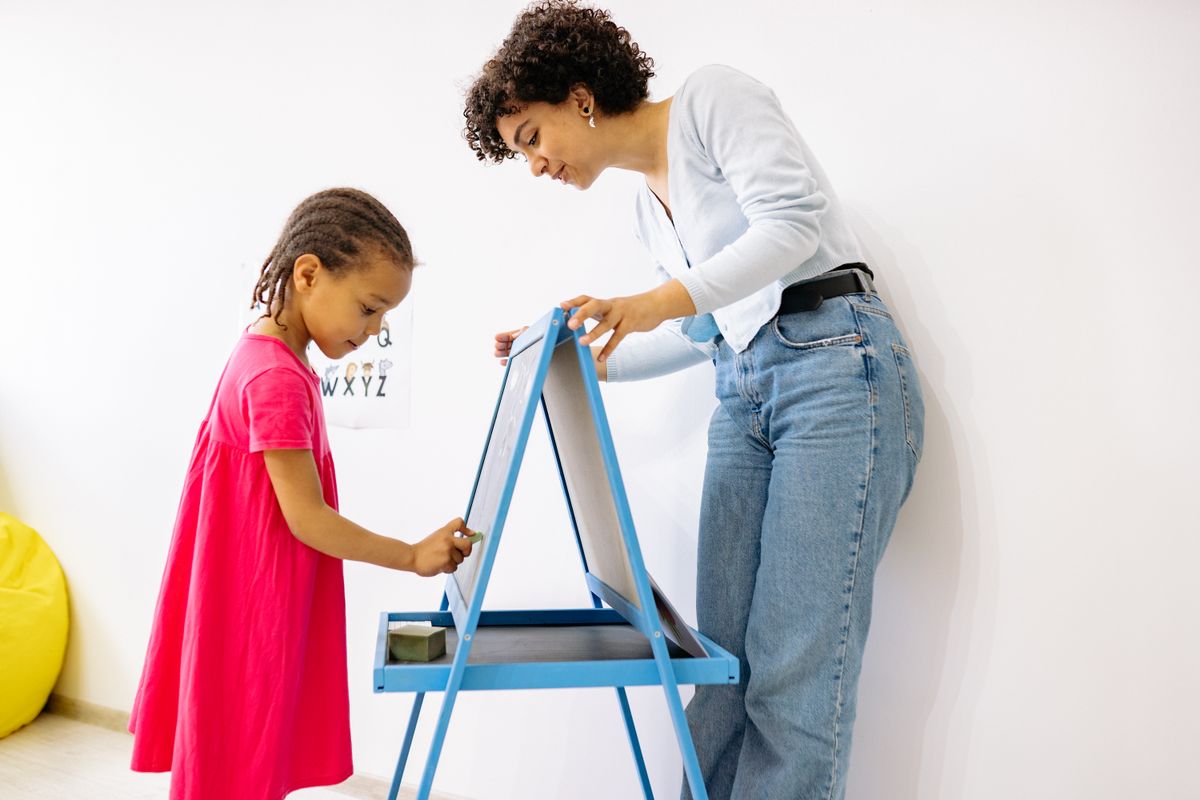
- Teaching in small steps. Big goals, like asking for help or joining a game, are broken into small, achievable steps and practiced through play and routines.
- Positive reinforcement. When your child uses a new skill, they receive something motivating, such as praise, a favorite toy or an activity they love.
- Measuring progress. Therapists record data during sessions, so the team can see what is working and adjust the plan as your child grows.
What skills can ABA help with?
Every plan is different, but ABA goals often include:
- Communication: requesting, answering questions and expressing needs with words, signs or devices
- Social skills: taking turns, sharing attention and playing with others
- Daily living: routines like dressing, mealtimes, toileting and getting ready for school
- Learning readiness: following directions, waiting and staying engaged in an activity
- Behavior: reducing behaviors that get in the way of learning or safety, by teaching better ways to meet the same need
What does an ABA session look like?
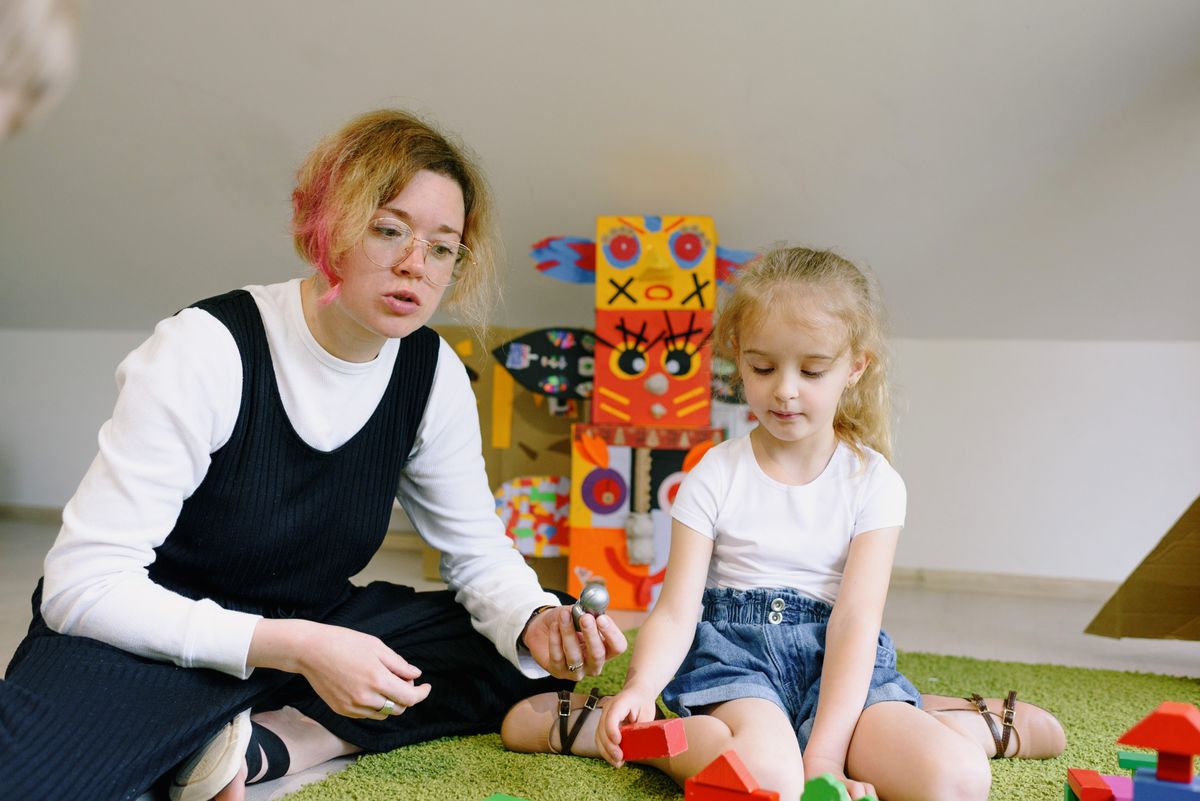
A session can look a lot like play. A therapist might use building blocks to practice asking for a turn, snack time to practice requesting, or a favorite game to practice waiting. Some teaching is more structured, with short, repeated practice of one skill; some happens naturally as your child plays and explores. The CDC names discrete trial training and pivotal response training as two common ABA teaching styles.
Who provides ABA therapy?
- Board Certified Behavior Analyst (BCBA): a clinician with a graduate-level certification in behavior analysis who assesses your child, designs the plan and supervises care. In New York, behavior analysts are also licensed by the State.
- Registered Behavior Technician (RBT) or behavior technician: a trained professional who works directly with your child, under close supervision.
- You: parents and caregivers are part of the team. Parent training helps skills carry into everyday life.
Where does ABA happen?
Therapy can take place wherever it's most helpful: in the comfort of your home, at one of our centers in the Bronx and Brooklyn, or a combination of both. Not sure which fits? We compare the options in In-Home vs. Center-Based ABA, and explain home sessions in What Is In-Home ABA Therapy?
How long does ABA therapy take?
There is no single answer. The number of hours and the length of therapy depend on your child's needs and goals, and the plan is reviewed regularly. As your child builds skills, goals change, and many children need less support over time.
Is ABA therapy covered by insurance?
Many insurance plans cover ABA therapy for children with an autism diagnosis, but benefits vary from plan to plan. Our Intake team verifies your coverage before services begin, so you know what to expect.
Getting started
The first step is a short intake. We verify your insurance, a BCBA assesses your child's needs, and therapy begins with ongoing support for your whole family. You can start your intake here whenever you're ready.
Frequently asked questions
ABA is best known as a therapy for autism, and that is the focus at Horizon Blue ABA. The same principles are also used to support other learning and behavior needs.
A BCBA is a Board Certified Behavior Analyst who assesses your child, designs the treatment plan and supervises care. An RBT is a Registered Behavior Technician who works directly with your child under close supervision.
Yes. Parent and caregiver training is an important part of ABA, so the strategies that help in sessions carry into everyday routines.
At home, at a center, or both. Horizon Blue ABA offers center-based care in the Bronx and Brooklyn and in-home care in New York and New Jersey.
Many plans cover ABA for children with an autism diagnosis, but benefits vary. Our Intake team verifies your coverage before services begin.
Ready to take the first step?
Start your intake today and our team will verify your insurance and guide you through what comes next.
This article is general information, not medical advice. Your child's care team will recommend the approach that fits your child.