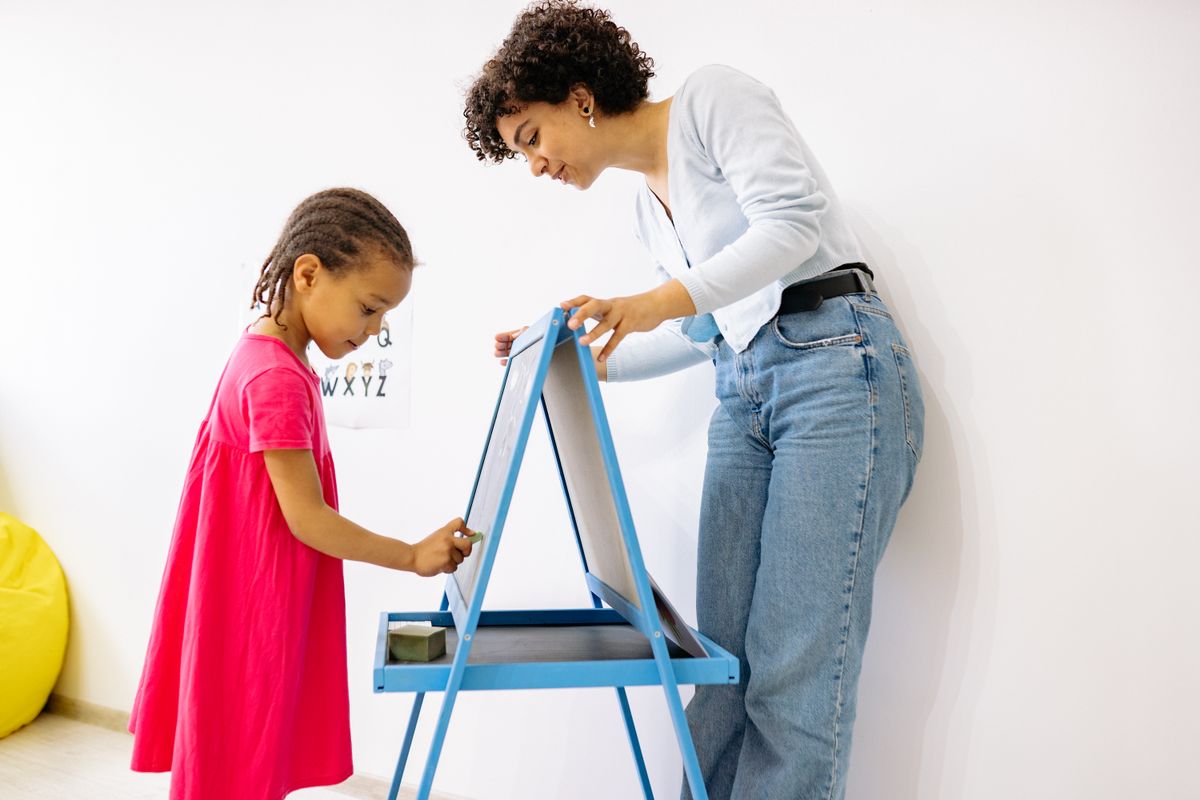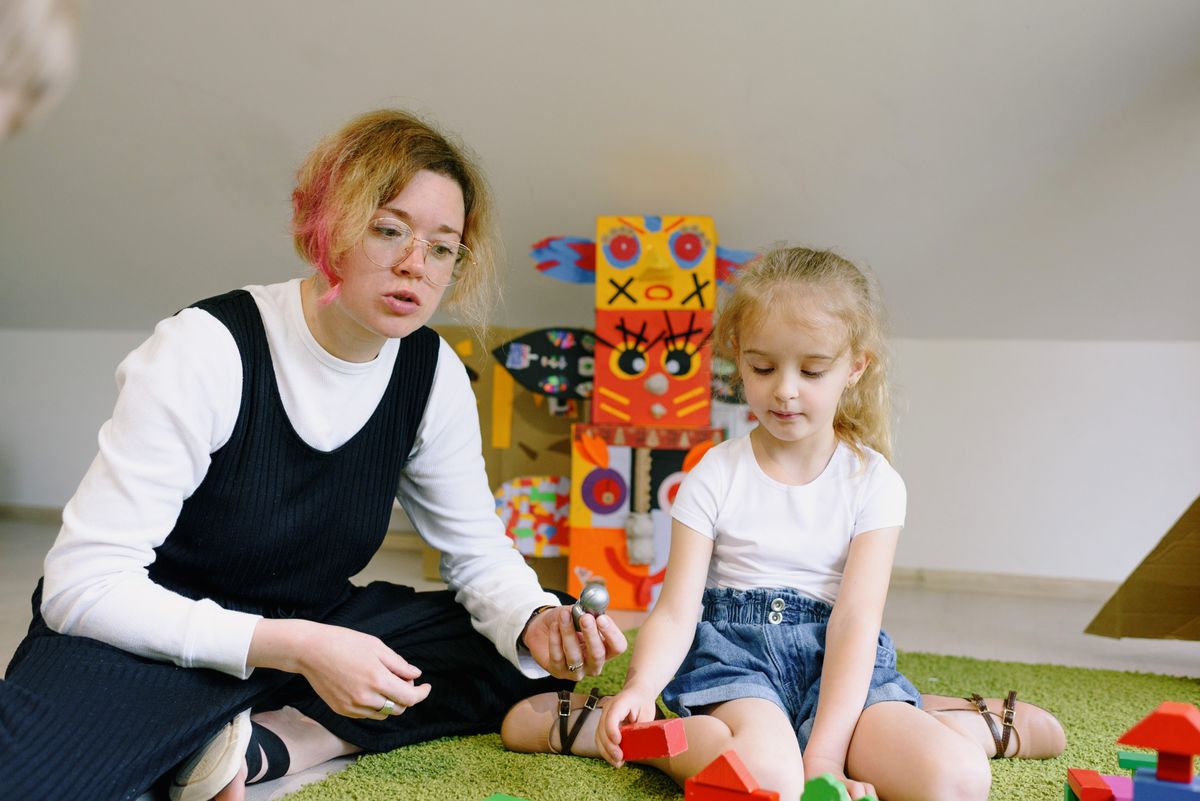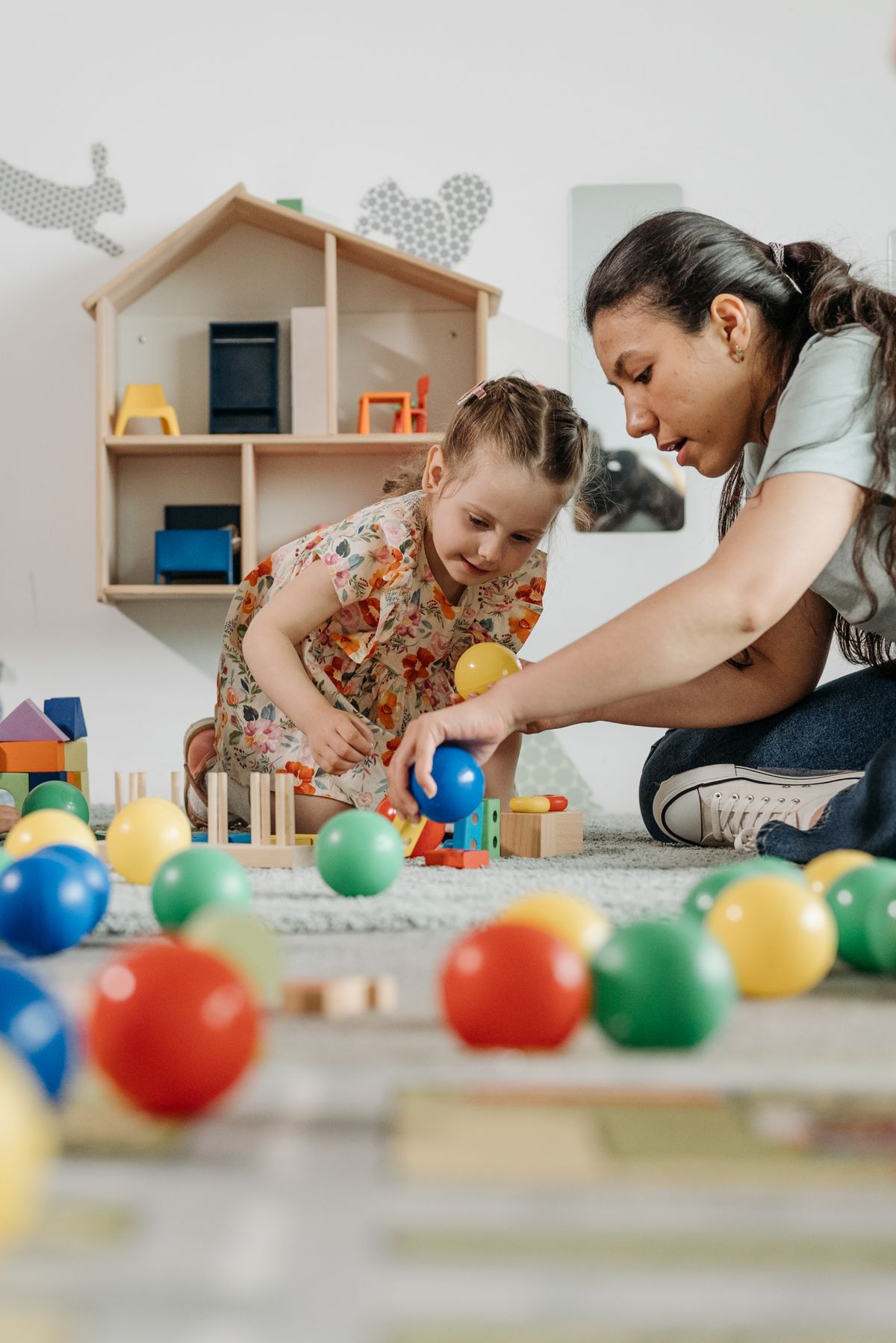
For many children, home is where they feel most like themselves. It is also where the everyday moments happen: getting dressed, sharing a snack, playing with a sibling, winding down at bedtime. In-home ABA therapy meets your child right there, in the place and routines they know best.
This guide explains what in-home ABA looks like day to day, who you will meet, and how your family fits into the process.
What is in-home ABA therapy?
ABA stands for Applied Behavior Analysis. It is an evidence-based approach that helps children build communication, social and daily-living skills in small, achievable steps. (New to ABA? Start with What Is ABA Therapy? A Parent's Guide.)
In-home ABA simply means those sessions take place in your family's home rather than at a center. The goals, the planning and the professional oversight are the same. Only the setting changes.
Who comes to your home?
In-home ABA is a team effort. You may meet:
- A Licensed Behavior Analyst (LBA). Licensed by New York State, this clinician assesses your child, writes the treatment plan, and oversees your child's care.
- A behavior technician. A trained team member who works directly with your child, following the plan the Behavior Analyst designed.
- Sometimes, a certified assistant (CBAA). A certified professional who supports the Behavior Analyst.
The Behavior Analyst stays closely involved. For children covered by NY Medicaid, state policy requires the supervising Behavior Analyst to hold at least two live supervision contacts a month with the technician, in person or by live video, and to observe the technician working with a child at least once a month.
What a typical home session can include
Every session follows your child's individual plan, so no two look exactly alike. A session often includes:
- Setting up the space, arranging a calm area and the materials the plan calls for
- Working on specific goals, through play, routines and structured activities designed by the Behavior Analyst
- Recording progress, as the technician tracks how your child responds, so the team can see what is working
- Session notes, which the supervising Behavior Analyst reviews
Why practicing at home can help
Some skills are easiest to learn exactly where they will be used. At home, your child can practice:
- Asking for a snack at your kitchen table
- Following steps in a morning or bedtime routine
- Taking turns with a brother or sister
- Handling transitions, like turning off a screen or getting ready to go out
ABA treatment plans include goals for generalization, meaning your child can use a skill across different people, places and moments, not just during a session. Practicing in real routines supports that.
How parents and caregivers take part
You know your child best, and your involvement matters. That does not mean turning your evenings into homework.
Treatment plans can include parent and caregiver training goals, so the strategies that help during sessions carry into everyday life. Behavior Analysts can also meet with parents and caregivers directly to guide them, with or without the child present.
In practice, that can look like learning one small strategy at a time, asking questions as they come up, and sharing what you notice between sessions.
Getting ready for your first session
A little preparation helps everyone feel comfortable:
- Pick a space. A quiet corner with few distractions works well.
- Share what motivates your child. Favorite toys, snacks or activities help the team connect quickly.
- Talk about your routines. Mealtimes, bedtime and busy moments help shape meaningful goals.
- Write down your questions. No question is too small.
- Keep your child's information handy. The diagnosis, referral and insurance details make intake smoother.
In-home or center-based?
Both settings can work well. In-home ABA offers comfort and real-life practice. Center-based ABA adds structure and more chances to interact with other children. Many families combine both.
We compare them side by side in In-Home vs. Center-Based ABA: How to Choose. Horizon Blue offers in-home care as well as center-based care at our Bronx and Brooklyn centers, and in-home care for families in New Jersey.
Insurance and next steps
In-home ABA can be covered by insurance. Under New York Medicaid, the home is a recognized setting for ABA; plans may have their own approval steps.
Whatever your coverage, our Intake team can check your child's benefits for you.
Ready to bring ABA home?
If in-home ABA sounds like a fit for your family, we would love to talk it through with you, in the language your family speaks.
This article is general information, not medical advice. Your child's care team will recommend the setting and approach that fit your child.